






The first
AI unicorn
in Latin
America is
in legal
- in Brazil
- Enter
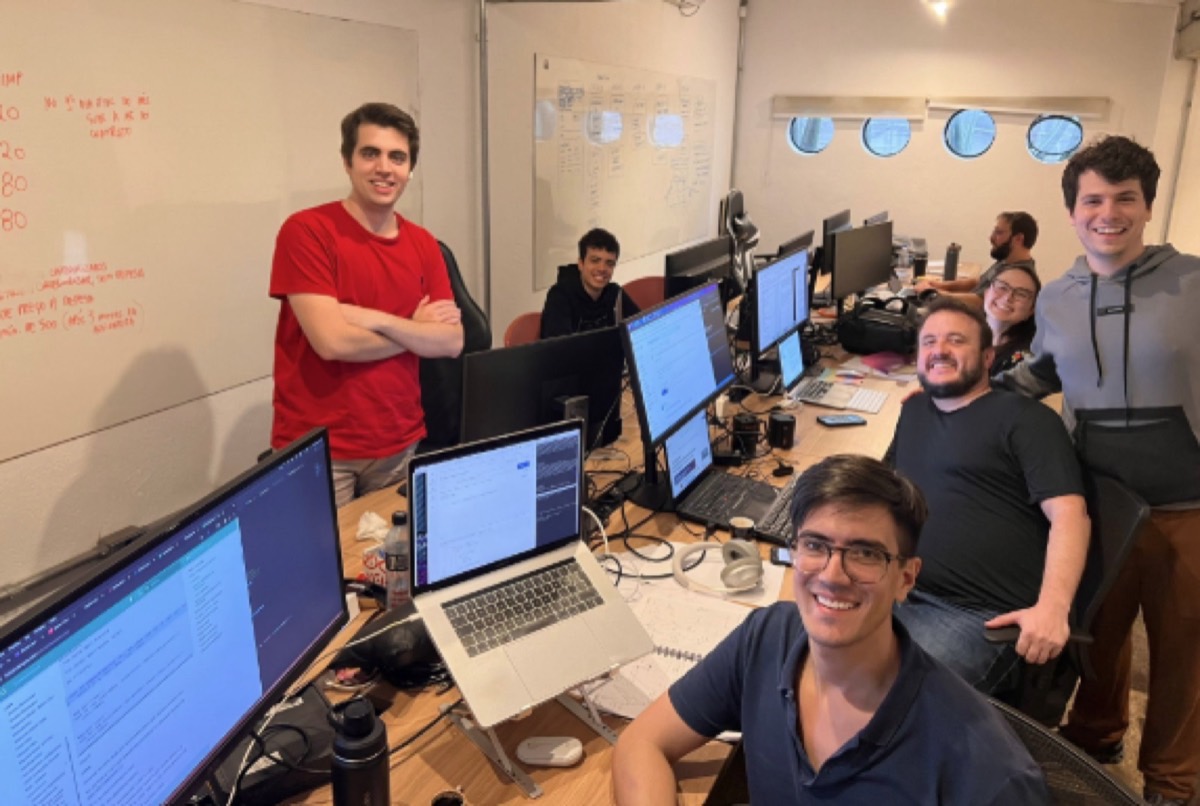


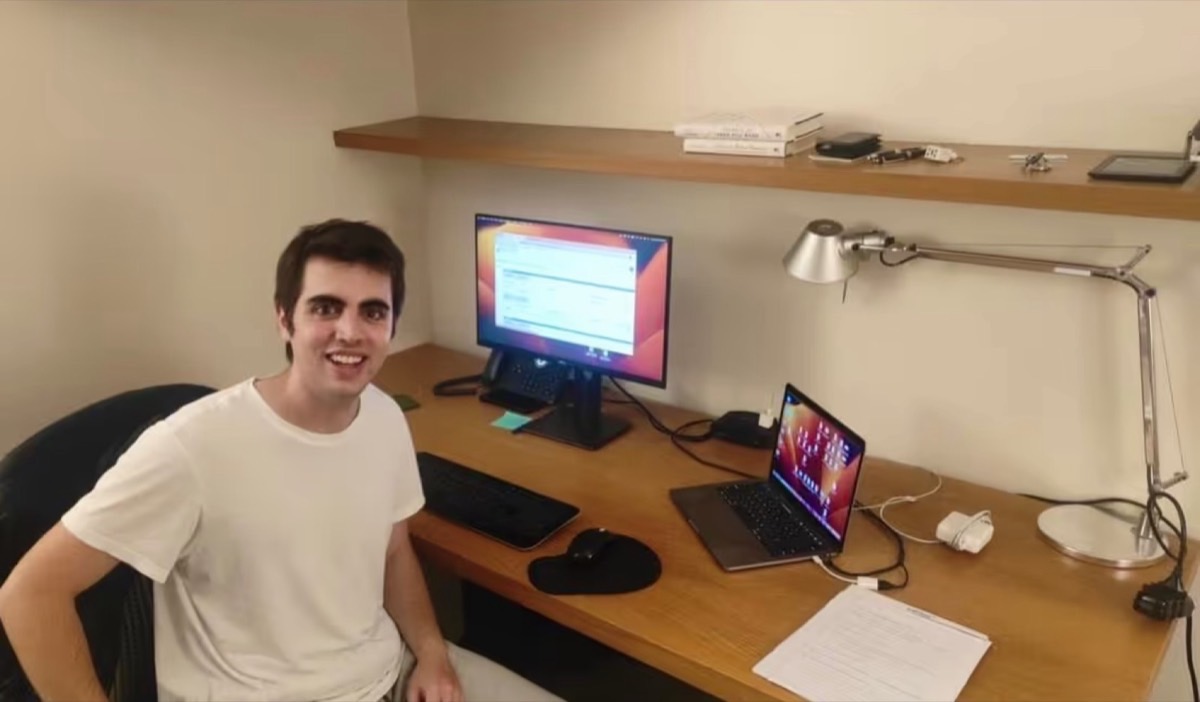
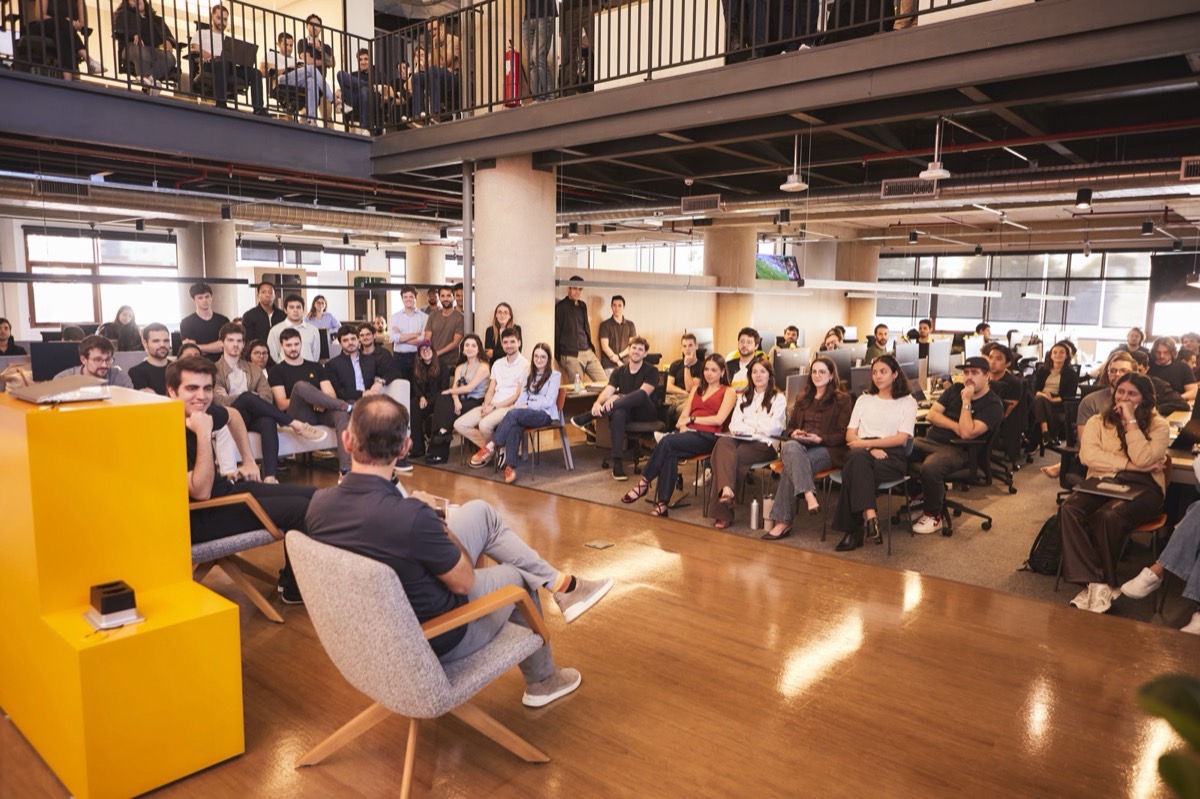
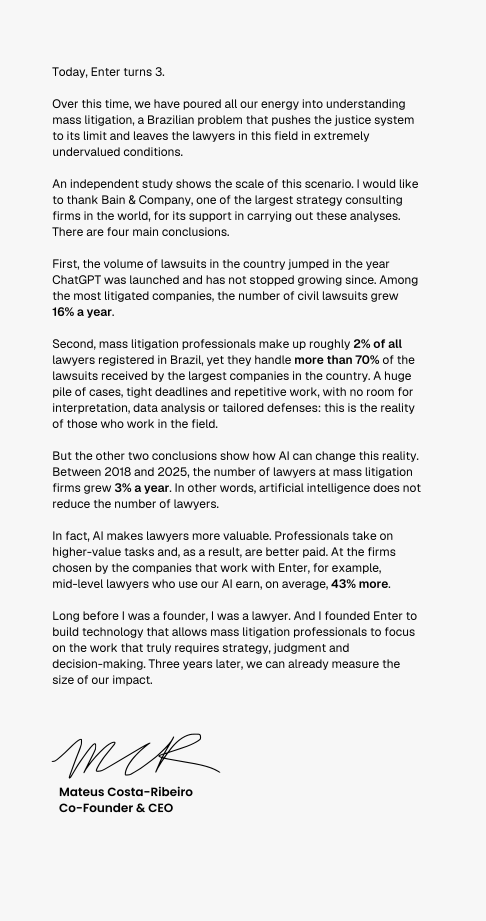
As the largest artificial intelligence company in Latin America, we have a responsibility to measure our impact on the legal market. To do so, we present a study based on public data from Brazilian courts, interviews with lawyers and global benchmarks — and we thank Bain & Company for supporting the analyses that let us answer four questions.
How much does Brazil litigate?
The number of new lawsuits in Brazil had held steady for years and took a leap in 2022, the year ChatGPT was launched. It has kept growing ever since, reaching an all-time record of 41 million new lawsuits in 2025.
+2% (CAGR)
+3% (CAGR)
+8% (CAGR)
- 2009
- 2010
- 2011
- 2012
- 2013
- 2014
- 2015
- 2016
- 2017
- 2018
- 2019
- 2020
- 2021
- 2022
- 2023
- 2024
- 2025
Source: CNJ
This volume has reached the companies operating in the country. Among the largest litigants, for example, the number of new civil lawsuits grew by 16% — twice the market average. In one case analyzed, a single company had set aside provisions for legal disputes equivalent to 159% of its annual profit — in other words, more than a full year of profit tied up in contingencies.
In practice, the spread of AI makes it easier to access the courts, both for those seeking legitimate compensation and for abusive litigants, who use the justice system to obtain undue advantages.
Largest litigants
Civil litigation (millions)
+16% (CAGR)
- 2022
- 2023
- 2024
- 2025
Source: CNJ
Who handles all this?
Sources: OAB — Registry of Lawyers; IBGE/SIDRA — Table 9418 (CNAE 69.11-7); ABRES; Aura (LinkedIn).
Mass litigation law firms make up a very small slice of the Brazilian legal profession, one that has historically been undervalued compared with other areas of law, accounting for 1.5% to 3% of the 1.5 million lawyers in the country. On top of that, these firms operate on a scale model, with a disproportionate volume of cases, thin margins and tight deadlines.
Volume is the main pain point of mass litigation
The day-to-day work of mass litigation lawyers is marked by repetitive, mechanical and standardized tasks, with little room for in-depth interpretation, data analysis or tailored defenses.
Two out of three mass litigation lawyers point to volume as the main challenge of their operation.
Pain points in civil and labor mass litigation(% of respondents)
Source: Market survey (Sept. 2026); interviews with mass litigation firms.
What is AI's impact
on the number
of jobs?
For a long time, the natural reaction to the adoption of artificial intelligence was to associate it with the replacement of human work. The data, however, point in another direction. Since 2018, the number of lawyers at mass litigation firms has grown 3% a year, keeping pace with the rise in litigation in the country, which has grown even faster.
+3% (CAGR)
- 2018
- 2019
- 2020
- 2021
- 2022
- 2023
- 2024
- 2025
Source: Aura (LinkedIn), Sept. 2026.
Across the legal sector as a whole, the number of lawyers keeps growing at a steady pace, both in Brazil and in countries further along in AI adoption. In the United Kingdom and in France, for example, the number of professionals rose by 3% and 2%, respectively.
Annual change in the number of lawyersBrazil 2018–2025 · other countries 2019–2026
- Brazil +3% p.a.
- United States +0% p.a.
- United Kingdom +3% p.a.
- France +2% p.a.
- Germany +0% p.a.
Sources: ABA; BRAK; CNB; SRA; Aura (LinkedIn)
How does Enter affect lawyers' pay?
Enter processes 840 million documents and more than 6 trillion tokens a year, giving lawyers data and context for strategy, judgment and decision-making.
In practice, those who work in mass litigation with Enter are empowered to deliver more tasks, with quality, in the same amount of time.
- other firms
- firms that work with Enter
- Intern
- Junior
- Mid-level
Average annual salary comparison (R$ thousands)
Sources: Internal data — Enter; Glassdoor; Aura (LinkedIn); and Numbeo.
More time for what matters.
Enter turns unstructured data into context for decision-making.
They tell it better
than we do
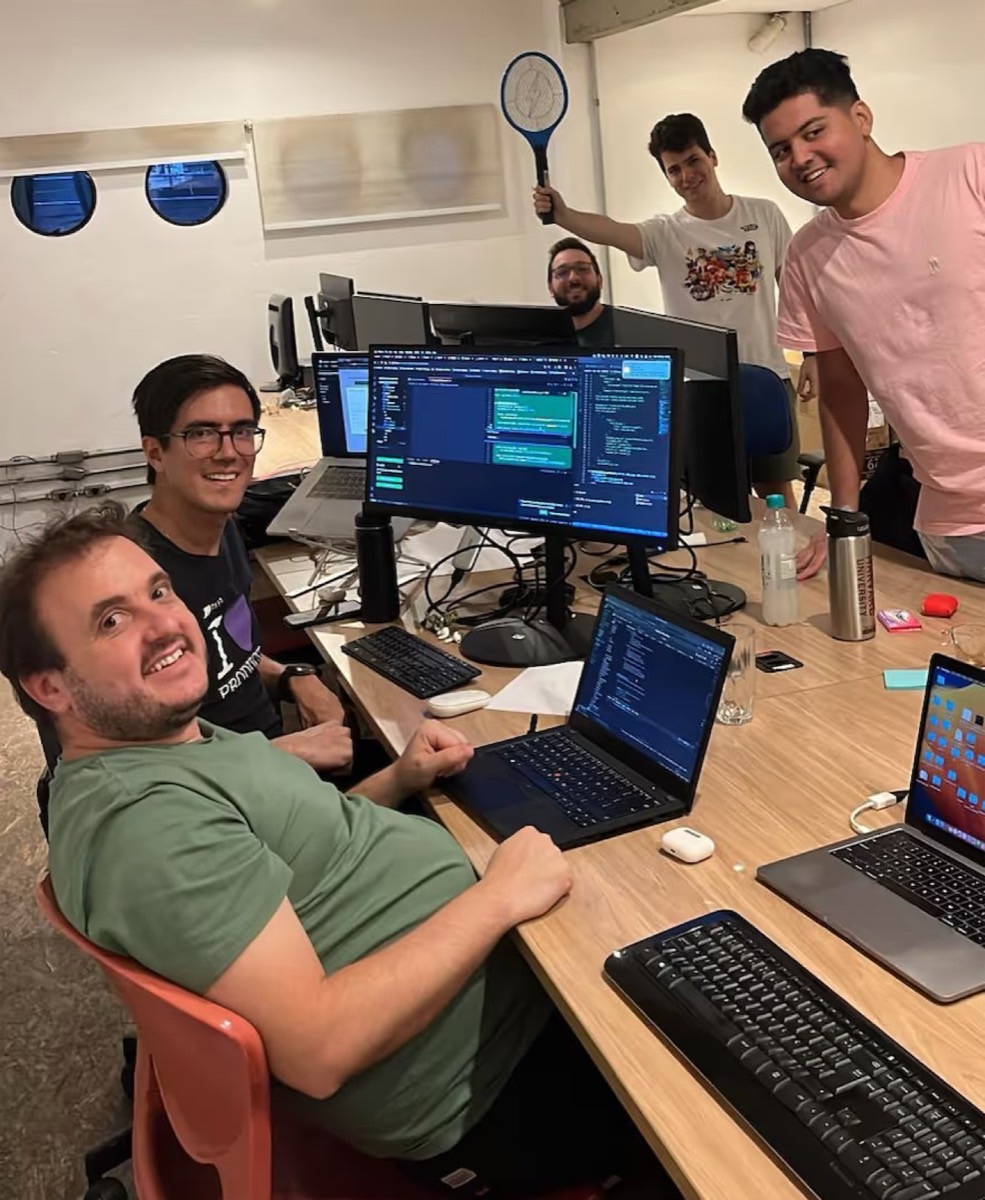
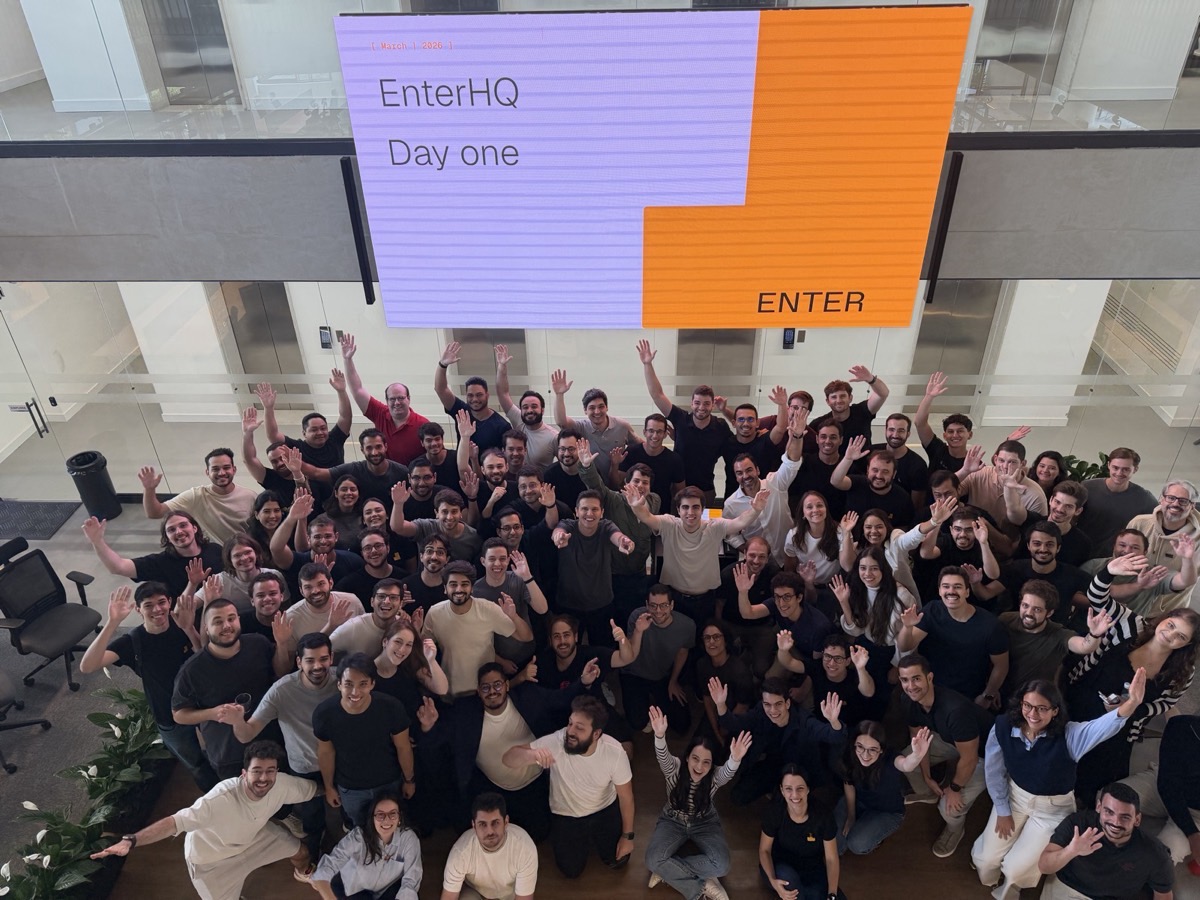
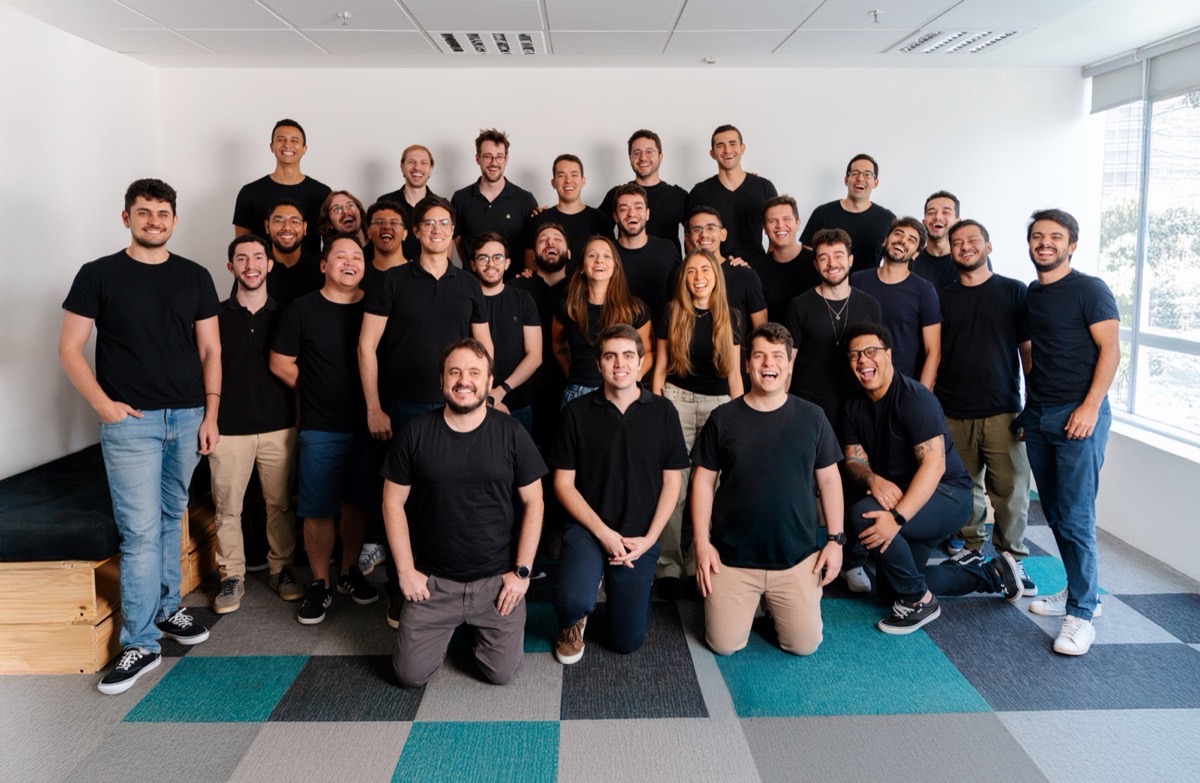
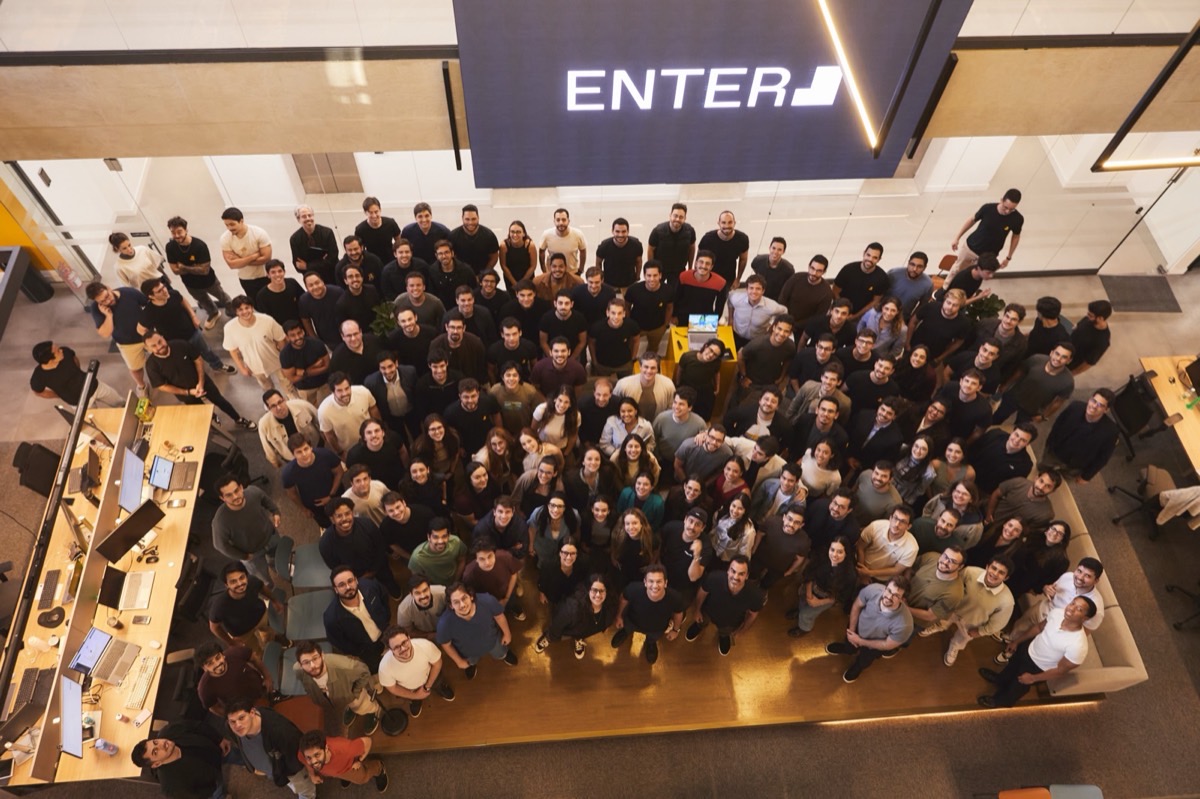
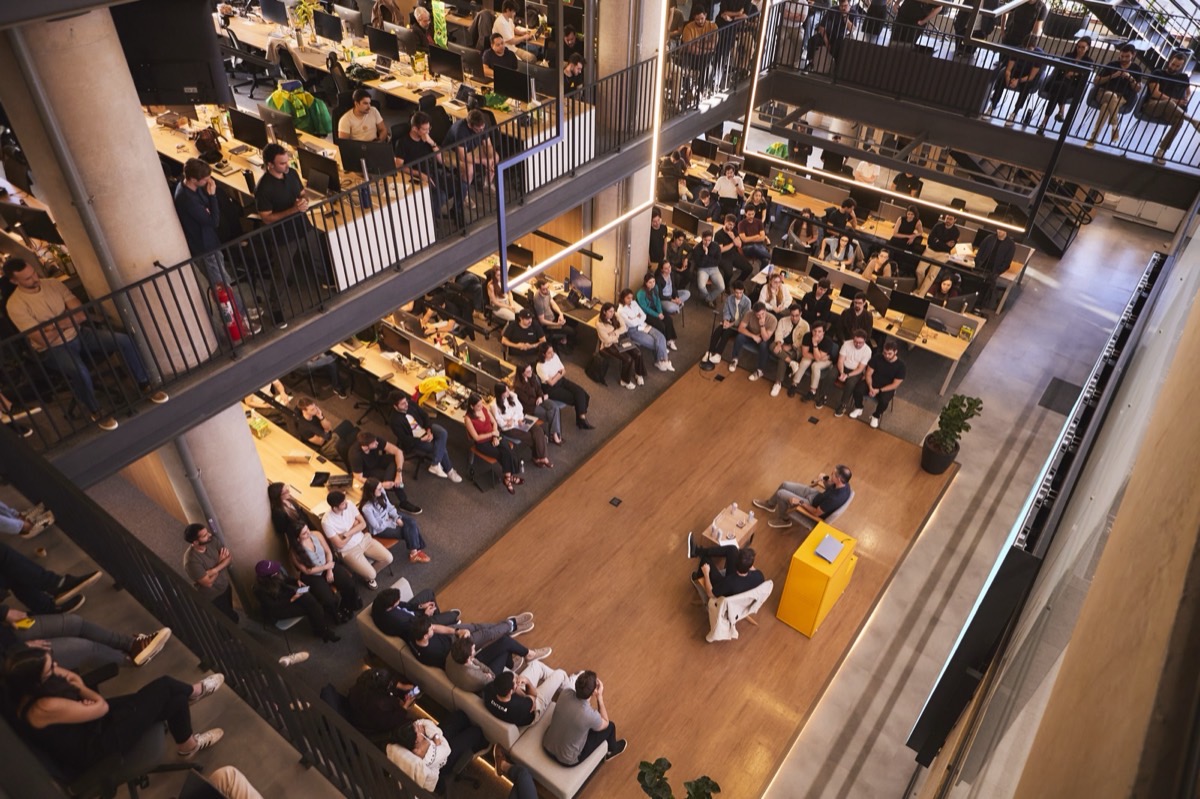
More than 60 companies celebrating our 3 years









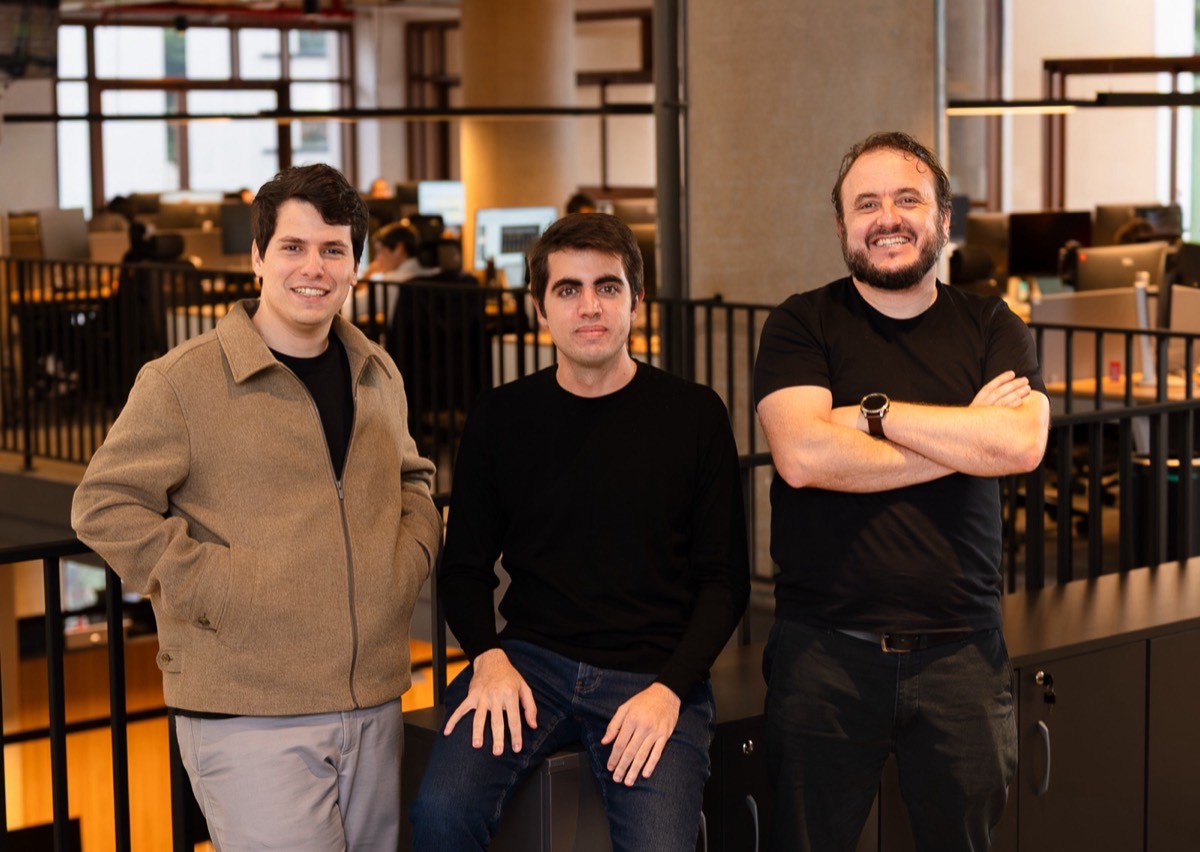
Three years building a technology hub in Brazil
Mateus Michael Henrique Alex Juliano Mauricio Dan Arthur André Luiz Vinicius João Luccas Guilherme André Murillo Cezar João Rafael Athos Paulo Ricardo Hernan Hugo Juliana Filipe Rebeka Bruno Talita Francisco Arthur Pedro Guilherme Thomas Gabriel João Pedro André João Mateus Gabriele Lucas Pedro Murilo Vinicius Victor Matheus Paula Ana Ana Leonardo Bernardo Pedro Pâmella Yan Ademir Pedro Rafael Caio Leonardo Ígor Anderson Héricles Pedro Renato Emanuele Breno Filipe Talita Laura Arthur Davi Felipe Felipe Fernanda Júlia Ana Gustavo Aloysio Luca Saulo Igor Filipe Stefano Daniel Geovana Francisco Gabrieli João Julia Rafael Henrique Luis Rick Ana Alexandre Ivo Mateus Arthur Letícia Arthur Danielly Andressa Francisco Lucas Paul-Marie Carlos Igor Matheus Paula Philip Tainá Léo Pedro Gustavo Gabriela Arthur Carlos Catarina Jose Pedro Daniel Heloísa João Sílvia Ana João Marcelo Nicolas Victor Alec Caio Enrico Fernando Isabella Lucas Marcelo Philip Maria Luís Paulo Vinícius Rachel Artur Bruno Cristiano Gabriel Isabella João Lucas Victoria Leonardo Philipe Piera Guilherme Camila Ana Gustavo Talita Victoria Isabella Carolina Cynthia Daiana Fernando Marcela Samy Felipe Fernando Igor João João João Lucas Maria Matheus Matheus Vitor Isabella João Lina Erick Antonio Carlos Felipe Beatriz Felipe Guilherme João Marcela Rafael André Igor José João Letícia Vitor Willian Carlos Joao João Ronaldd Vinícius Davi Enzo Henrique Isabela Iuri João João Matheus Pedro Vinicius Marina Henrique Luísa Manuel Carolina Beatriz Bruno Eduardo Hanna Irys Matheus Sarah Vitor Ana Caio Eduardo Ettore Gabriel Leonardo Pedro Alessandra Vitor
